

How the Cleanup Works From Start to Finish
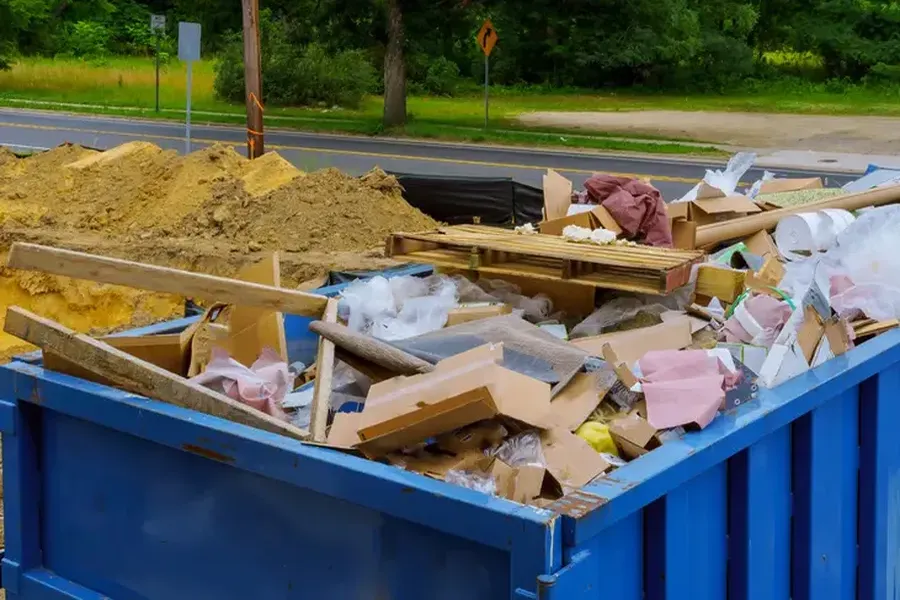
Residential construction debris removal is the step-by-step process of clearing out leftover materials after a home project. This includes wood scraps, drywall pieces, broken tiles, nails, packaging, and other waste. The goal is to sort, load, haul away, and properly dispose of or recycle these materials so your space is safe and clean again. Whether you remodel one room or build an addition, proper cleanup protects your home and keeps the project on track.
What You Need Before Starting
Before you begin construction debris removal, gather the right tools and supplies. Being prepared saves time and lowers the risk of injury.
- Heavy-duty work gloves
- Safety glasses and a dust mask
- Thick contractor trash bags
- A broom, shovel, and shop vacuum
- A wheelbarrow or sturdy bins
- Access to a truck or dumpster
You should also check local disposal rules. Some materials cannot go to a regular landfill. Items like paint, chemicals, or treated wood may need special handling.
Step-by-Step Process
Cleaning up after a project is easier when you follow a clear order. Here is how most residential construction debris removal jobs are handled:
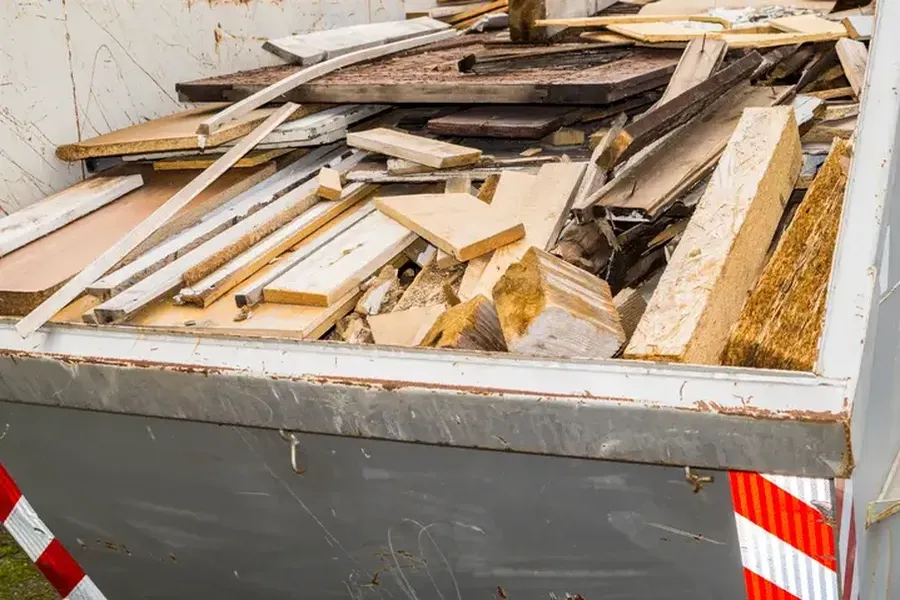
- Sort the materials. Separate wood, metal, drywall, concrete, and trash. This makes recycling and disposal simpler.
- Remove large debris first. Carry out big pieces like lumber scraps, broken cabinets, or drywall sheets.
- Bag smaller waste. Collect nails, screws, insulation, and small fragments into thick bags.
- Sweep and vacuum. Fine dust and small shards can hide in corners and along walls.
- Load for hauling. Place sorted materials into a truck or dumpster in an organized way.
- Dispose or recycle properly. Take items to the correct facility based on local rules.
This process keeps the site safer and reduces the chance of damage to floors, driveways, or landscaping.
Common Mistakes to Avoid
Homeowners often rush through cleanup. That can lead to problems later. Here are mistakes to watch for:
- Mixing recyclable materials with general trash
- Overloading trash bags until they tear
- Leaving sharp objects exposed
- Placing heavy debris directly on finished floors
- Ignoring dust in vents or air returns
Another mistake is underestimating the volume of debris. Even a small bathroom remodel can create piles of waste. Planning for enough hauling space helps avoid delays.
When to Call a Professional
Some projects create more debris than a homeowner can handle. Large renovations, roofing jobs, or full-home remodels often require professional construction debris removal.
You may want help if:
- The debris is too heavy to lift safely
- You do not have a truck or trailer
- There are hazardous materials involved
- Local dump rules are confusing
- You need fast turnaround to continue work
Professional crews bring the right equipment and know where materials should go. They can load and haul debris quickly, which keeps your project moving. They also help reduce safety risks on the property.
Final Recommendation and Next Steps
Good construction debris removal makes a big difference at the end of any residential project. A clean site is safer, easier to inspect, and ready for the next phase of work. Start by planning your cleanup before the job even begins. Set up a dedicated debris area, schedule hauling in advance, and keep materials sorted as you go. If the workload feels too large or time is tight, getting expert help can save stress and prevent injuries. We provide construction debris removal services throughout West Haven, UT. At JG Trash & Dash LLC, our team handles the loading, hauling, and proper disposal so homeowners do not have to manage it alone. Call us at (801) 903-9119 to schedule service or ask about your upcoming project.